


The Importance of Concrete Testing: Ensuring Quality with Concrete Testing Services
When you build with concrete, you demand strength, durability, and safety. You want your structures to last for decades without compromise. That’s why concrete testing is not just a step in the process—it’s a necessity. It guarantees that every batch meets the highest standards. It confirms that your project will stand firm against time and elements. I’m here to guide you through why concrete testing matters, what it involves, and how it benefits your construction projects.
Understanding the Importance of Concrete Testing
Concrete is the backbone of modern construction. From bridges to buildings, roads to dams, its quality directly impacts safety and longevity. Testing concrete ensures you get exactly what you pay for. It verifies the mix design, strength, and durability before and after placement.
Why is this so important? Because concrete can vary widely depending on materials, mixing, and curing conditions. Without testing, you risk structural failures, costly repairs, and project delays. Testing helps you:
Confirm strength: Ensure the concrete meets design specifications.
Detect defects: Identify issues like cracks, voids, or improper curing early.
Improve durability: Verify resistance to weather, chemicals, and wear.
Comply with standards: Meet local and international building codes.
Save money: Avoid expensive rework and liability claims.
By prioritizing concrete testing, you protect your investment and reputation. You deliver projects that are safe, reliable, and built to last.
Key Methods Used in Concrete Testing
Concrete testing involves several techniques, each designed to assess specific properties. Here are the most common methods you should know:
1. Slump Test
This test measures the workability or consistency of fresh concrete. You fill a cone-shaped mold with concrete, lift the mold, and measure how much the concrete slumps. It tells you if the mix is too dry or too wet, which affects placement and strength.
2. Compressive Strength Test
This is the most critical test. Concrete samples are cast into cubes or cylinders and cured. After 7, 14, or 28 days, they are crushed in a machine to measure their strength. This confirms if the concrete meets the required load-bearing capacity.
3. Air Content Test
Air entrainment improves concrete durability, especially in freeze-thaw environments. This test measures the amount of air trapped in the mix to ensure it’s within the ideal range.
4. Flexural Strength Test
This test evaluates the concrete’s ability to resist bending forces. It’s important for pavements and slabs that experience heavy traffic.
5. Non-Destructive Testing (NDT)
NDT methods like ultrasonic pulse velocity and rebound hammer tests assess concrete quality without damaging the structure. These are useful for in-place concrete inspections.
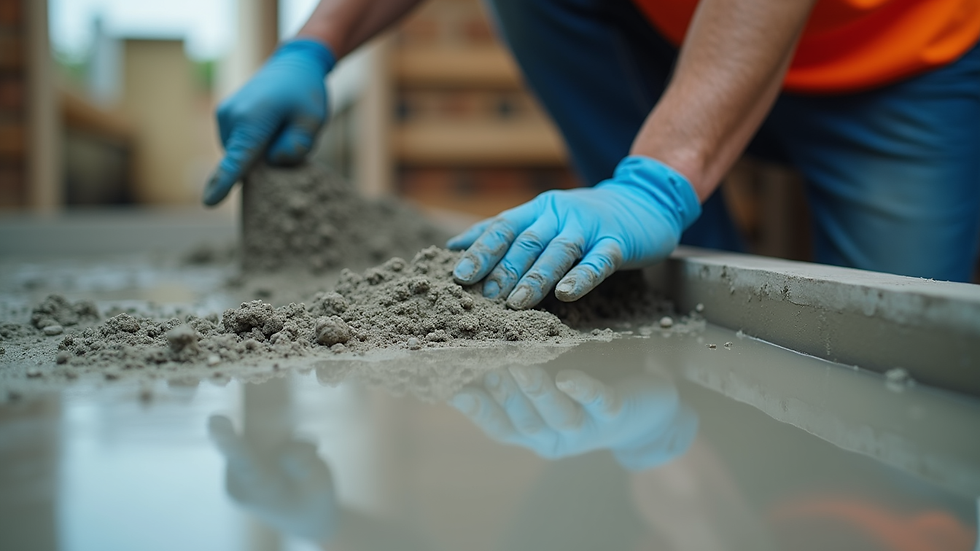
What is it called when you test concrete?
When you test concrete, the process is generally referred to as concrete testing or concrete quality testing. It encompasses all the procedures used to evaluate the physical and mechanical properties of concrete. These tests are performed both on fresh concrete and hardened samples to ensure compliance with design and safety standards.
The term also includes concrete inspection and concrete analysis, especially when non-destructive methods are used on existing structures. Whether you call it testing, inspection, or analysis, the goal remains the same: to verify that the concrete performs as expected.
How Concrete Testing Services Elevate Your Project
You can perform some basic tests on-site, but for comprehensive evaluation, you need professional concrete testing services. These experts bring precision, experience, and advanced equipment to the table. Here’s how they add value:
Accurate results: Certified labs use calibrated machines and follow strict protocols.
Detailed reports: You receive clear documentation for compliance and quality assurance.
Expert advice: Specialists interpret results and recommend corrective actions if needed.
Wide range of tests: From slump to chemical analysis, they cover all your needs.
Timely service: Fast turnaround keeps your project on schedule.
Partnering with reliable testing services reduces risk and boosts confidence. You know your concrete meets or exceeds standards before you proceed to the next phase.

Best Practices for Integrating Concrete Testing in Your Workflow
To maximize the benefits of concrete testing, integrate it seamlessly into your construction process. Here are actionable recommendations:
Plan testing early: Include testing requirements in your project schedule and budget.
Select qualified labs: Choose accredited labs with proven expertise.
Test fresh concrete on-site: Perform slump and air content tests immediately after mixing.
Cast and cure samples properly: Follow standards for sample preparation and curing.
Schedule strength tests at key intervals: Typically at 7, 14, and 28 days.
Use non-destructive tests for existing structures: Assess condition without damage.
Review reports carefully: Address any deviations or failures promptly.
Document everything: Keep records for quality control and regulatory compliance.
By following these steps, you ensure consistent quality and avoid surprises. Testing becomes a proactive tool, not a reactive fix.
Moving Forward with Confidence and Quality
Concrete testing is your assurance of quality, safety, and durability. It empowers you to make informed decisions and deliver superior results. When you invest in thorough testing, you protect your projects from costly failures and delays.
At Little Bay Concrete Products, we understand the critical role of testing in construction success. We combine advanced concrete production technology with rigorous quality control to exceed expectations. Our commitment is to provide durable products backed by reliable testing and expert support.
Embrace concrete testing as a vital part of your construction strategy. It’s not just a requirement—it’s your pathway to excellence.
By prioritizing concrete testing, you build with confidence. You build for the future.


Comments